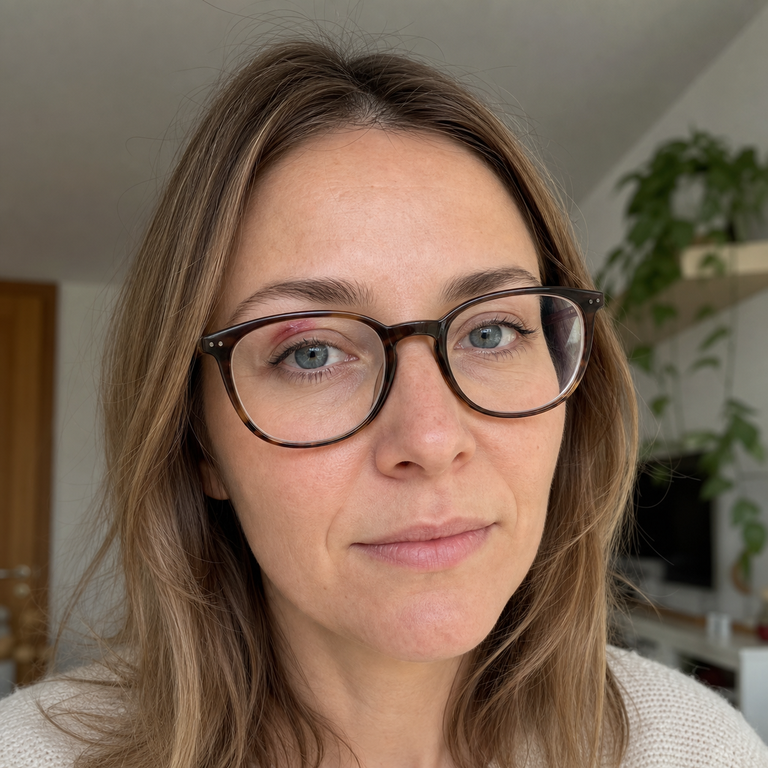
You lean toward the bathroom mirror in the morning and spot it: a tender red bump at the lash line, with one eyelid looking puffier than it did last night. Your colored lenses are waiting beside the sink, and you have somewhere to be. Putting them in may feel like the quickest way to keep the day on track, but contact lenses are medical devices and an irritated eye deserves a pause.
Do not wear colored or clear contact lenses while an active stye or unexplained eyelid bump is painful, swollen, draining, or irritating the eye. Use glasses instead. MedlinePlus advises avoiding contact lenses and eye makeup until an eyelid bump has healed, while the FDA says to remove lenses immediately when symptoms of eye irritation or infection occur. Follow an eye care professional’s guidance about when to restart, especially if you have pain, redness, discharge, light sensitivity, or a change in vision. For background on US lens oversight, see Yilala’s FDA compliance guide.
Why the safest answer is to stop wearing contacts
A stye involves the eyelid, not necessarily the surface of the eye. Even so, a contact lens sits directly on the cornea and has to be inserted and removed with fingers that pass close to the sore lid. That extra handling can rub an already uncomfortable area, bring lid debris toward the eye, and make it harder to tell whether new discomfort is coming from the bump, the lens, or something more urgent.
The pause applies to cosmetic colored contacts and ordinary clear contacts alike. A different tint, brand, diameter, or replacement schedule does not make an active eyelid problem a good moment for lens wear. Nor is a fresh, unopened lens a workaround. The concern is the condition of your eyelid and eye today, not simply whether a lens looks clean.
This does not mean your colored contacts caused the bump. Styes are commonly linked to a blocked eyelid oil gland, and blepharitis can raise the likelihood of recurring styes. Lens wear, makeup use, and hand hygiene are relevant because they affect what happens around the eye during a flare, not because the presence of a stye proves one particular product or habit was responsible.
Is every eyelid bump a stye?
No. A photo, a mirror check, or an online article cannot reliably label every eyelid lump. “Stye” is the everyday term for a hordeolum, but clinicians may distinguish an external hordeolum, often near an eyelash follicle or the outer lid edge, from an internal hordeolum, which develops deeper in an eyelid oil gland. Either may be painful and swollen, but its exact location and appearance can vary.
A chalazion is also associated with a blocked eyelid oil gland. The National Eye Institute describes it as a hard, often painless lump, while a stye is more typically red and painful. A stye that does not go away may leave or develop into a chalazion. Blepharitis, cysts, skin lesions, and other conditions can also create a bump or swelling around the lid.
Those descriptions are clues, not a home diagnostic test. A deep bump may not have an obvious “head,” and a chalazion can still make the lid red or swollen. If the label is uncertain, the lens decision stays simple: keep contacts out while the area is active or the eye is irritated, then ask an optometrist, ophthalmologist, or other qualified clinician to examine it when needed.
What to do today
Start with glasses. If a lens is already in, wash and fully dry your hands, remove it gently, and stop wearing lenses in both eyes for now. The FDA advises people with symptoms of irritation or infection to remove their lenses immediately and contact an eye care professional. If a clinician may want to inspect the lens and case while investigating symptoms, follow that office’s instructions about keeping them rather than automatically discarding everything.
For a typical eyelid bump, MedlinePlus recommends a warm, wet cloth on the area for 10 minutes, four times a day. Use a clean cloth, keep your eye closed, and make it comfortably warm rather than hot. A clinician may tailor that routine for your situation. Do not squeeze, pop, lance, or scrape the bump. MedlinePlus specifically says to let it drain on its own, and any procedure to open it belongs in professional care.
Do not share the compress, washcloth, towel, eye makeup, or lens supplies with anyone else. Wash reusable cloths before using them again, and use a separate clean cloth if treating the other eye. Keep makeup and skin-care tools away from the sore lid. If the bump drains, wash your hands after touching the surrounding skin and avoid rubbing the eye.
Colored contacts and a stye: stop and restart table
| What you notice | Lens decision | What to do next |
|---|---|---|
| Painful, swollen, tender, or draining eyelid bump | Stop colored and clear contacts | Use glasses; follow appropriate eyelid care and seek professional guidance if symptoms worsen or concern you |
| Eye redness, pain, discharge, light sensitivity, or blurred vision | Remove lenses immediately and do not reinsert | Contact an eye care professional promptly because lens-related eye problems can become serious |
| Bump is smaller, but the lid or eye still feels irritated | Keep using glasses | Wait for healing and professional restart guidance rather than testing the eye with a lens |
| Area appears healed and the eye feels normal | Do not assume appearance alone is clearance | Restart only when your eye care professional says it is appropriate; review which lenses, case, and makeup to replace |
| Symptoms return after restarting | Remove lenses again | Keep the lenses out and contact your eye care professional |
Handle lenses and the case without spreading the mess
Once lenses are out, resist the urge to perform a quick sink-side rinse. The CDC recommends washing hands with soap and water and drying them completely with a clean cloth before handling contacts. It also advises using recommended contact lens solution, rubbing and rinsing lenses as directed, and never mixing fresh solution with old solution in the case. Water is not a substitute for disinfecting solution.
The case needs attention too. CDC guidance says to rub and rinse the case with contact lens solution, store it upside down with the caps off after each use, and replace it at least every three months. Your eye care professional or product instructions may call for a different replacement point. Our step-by-step guide to cleaning and storing colored contacts explains the routine for normal wear.
During an active eye problem, do not decide on your own that routine cleaning makes a worn lens safe to reuse. Whether to discard opened lenses, start a new pair, or preserve the current pair and case for examination depends on the symptoms, lens type, replacement schedule, and professional advice. Keep the items isolated from clean backup supplies until you have that answer.
If your eye itself becomes red or produces discharge, treat that as more than a cosmetic inconvenience. Yilala’s guide to colored contacts and pink eye explains why contacts should stay out when conjunctivitis is suspected, but only an examination can sort out overlapping symptoms.
Pause eye makeup and clean up your routine
MedlinePlus advises avoiding eye makeup until the eyelid area has healed. That means mascara, eyeliner, shadow, lash adhesive, and any applicator that passes close to the bump. Makeup can add friction, obscure changes you should be watching, and move material across the lid margin. Do not cover the bump with concealer or press a lash curler against it.
Set aside products used around the time symptoms began. Ask your eye care professional which items should be replaced, particularly products that touch lashes or the wet lid margin. Never share mascara, liner, false lashes, brushes, towels, or a compress. Wash brushes according to the maker’s directions and do not dip a used applicator into another person’s product.
Keep facial cleanser and hair products out of the eye. Do not improvise with essential oils, acne treatments, or leftover antibiotic ointment near the eyelid. Blepharitis and recurring lid bumps can require a clinician-directed lid hygiene plan, but a routine for one condition may not be appropriate for an unexplained new lump.
When can you wear colored contacts again?
There is no reliable calendar shortcut. “It has been two days” or “the bump is half its original size” does not establish that the lid and eye are ready. A sensible restart point comes after the area has healed, the eye is comfortable, and an eye care professional has said lens wear can resume. If you received prescription treatment, follow the instructions for that treatment as well.
Before restarting, confirm which lens pair to use, whether the case should be replaced, and whether any makeup should be discarded. Make sure your contact lens prescription is current and the lenses are prescribed for you. An eye exam for colored contacts checks factors that appearance alone cannot, including fit and the health of the front of the eye.
On the first approved day back, keep glasses with you and pay attention to comfort. If pain, redness, swelling, unusual tearing, discharge, light sensitivity, gritty sensation, or blurred vision appears, remove the lenses and contact your eye care professional. Do not keep reinserting a lens to see whether the feeling passes.
After recovery and professional clearance, shoppers who already have an appropriate prescription and fit can view the INYX Series colored contact lenses. That product link is for style browsing, not medical clearance or a restart recommendation.
Eye drops are not a substitute for removing the lens
A lubricating drop may temporarily change how an eye feels, but it cannot tell you what an eyelid bump is or make active inflammation compatible with contact lens wear. Redness-relief drops can also mask a sign you need to monitor. If you use any medication or over-the-counter eye drop, ask a clinician whether it is appropriate and whether it can be used with your specific lenses.
Do not put a lens back in simply because a drop reduced stinging. Keep contacts out until the condition has healed and you have restart guidance. For normal, symptom-free wear after clearance, see our overview of eye drops and colored contacts, then follow the drop label and your eye care professional’s directions.
When to call an eye care professional
Get professional advice promptly for a vision change, increasing pain or swelling, redness that spreads beyond the bump or involves the eye, fever, unusual light sensitivity, or discharge from the eye. These signs do not prove a specific diagnosis, but they are not reasons to keep experimenting with contacts at home. Remove lenses and seek care.
Also call if symptoms are not improving. MedlinePlus specifically advises contacting a provider when an eyelid bump worsens or does not improve within a week or two of self-care, becomes very large or painful, or is accompanied by a fully red eyelid or red eye. Recurrent bumps, crusting or scaling of the lids, bleeding, or a blister also deserve assessment.
Contact lens wear lowers the threshold for checking eye pain, redness, discharge, light sensitivity, or blurred vision because the FDA warns that lens-related infections and corneal ulcers can develop quickly. Severe symptoms, a rapid change, or concern about vision should not wait for a routine appointment. If you cannot reach your regular office, use urgent eye care or emergency services appropriate to the severity.
Lower the chance of another interruption
No routine can guarantee that a stye will never return. You can, however, reduce avoidable contamination around lens wear. Wash and completely dry hands before touching lenses, keep contacts away from water, use fresh recommended solution, follow the prescribed wear and replacement schedule, and maintain the case. Carry current backup glasses so removing lenses does not derail your day.
Book regular eye care visits and discuss recurring lid bumps, dandruff, rosacea, oily lid margins, or morning crusting. The National Eye Institute notes that blepharitis can involve excess bacteria or clogged, irritated eyelid oil glands and can lead to styes and chalazia. If blepharitis is present, an eye doctor can recommend a cleaning routine suited to the cause and your eyes.
For broader prevention habits, read how to help prevent eye infections with colored contacts. The aim is not to blame a lens for every eyelid bump. It is to make the next decision easy when your eye feels wrong: contacts out, glasses on, hands clean, and professional help when symptoms call for it.
Frequently asked questions
1. Can I wear a colored contact in the eye without the stye?
It is safer to stop lens wear in both eyes until you have guidance. Handling one lens still brings your fingers and supplies close to both eyelids, and symptoms may not stay neatly limited to the side with the visible bump. Glasses avoid the guesswork while the area heals.
2. Can I wear daily disposable colored contacts with a stye?
No. A new daily disposable removes the question of prior lens storage, but it does not remove the active eyelid swelling, pain, drainage, or irritation. Keep all contacts out and use glasses until healing and an eye care professional’s restart guidance.
3. What if the bump is painless and may be a chalazion?
A painless, firm lump may fit a chalazion better than a typical painful stye, but you cannot confirm that from one feature. If the lid is swollen, the eye is irritated, or the diagnosis is uncertain, pause contacts and arrange an examination as needed.
4. Should I throw away the contacts I wore before noticing the bump?
Ask your eye care professional. Depending on your symptoms, they may advise discarding lenses and replacing the case, or they may want you to keep the lens and case for evaluation. Isolate them from clean supplies and do not wear them while waiting for advice.
5. Can I pop a stye to make it heal faster?
No. Do not squeeze, pop, pierce, or scrape an eyelid bump. MedlinePlus advises letting a stye drain on its own. If drainage by opening is needed, that is a procedure for a health care professional, not a bathroom-mirror fix.
6. Can I use eye makeup if I skip contacts?
Not while the eyelid bump is active. MedlinePlus advises avoiding eye makeup until the area has healed. Keep mascara, liner, shadow, lash adhesive, and applicators away from the lid, and ask which previously used products should be replaced.
7. How long after a stye can I wear colored contacts?
There is no universal number of days. Wait until the area has healed, the eye is comfortable, and your eye care professional says it is appropriate to restart. Follow any treatment instructions and confirm whether to begin with a fresh lens and case.
8. Is a warm compress safe while I am wearing contacts?
Remove contacts first and leave them out. MedlinePlus recommends a warm, wet cloth on an eyelid bump for 10 minutes, four times a day. Use a clean cloth, do not share it, avoid excessive heat, and follow any different instructions from your clinician.
Official sources
- MedlinePlus: Eyelid bump
- National Eye Institute: Blepharitis
- US Food and Drug Administration: Contact Lens Risks
- Centers for Disease Control and Prevention: Preventing Eye Infections When Wearing Contacts
This article provides general education and cannot diagnose an eyelid bump or replace care from a qualified eye care professional.