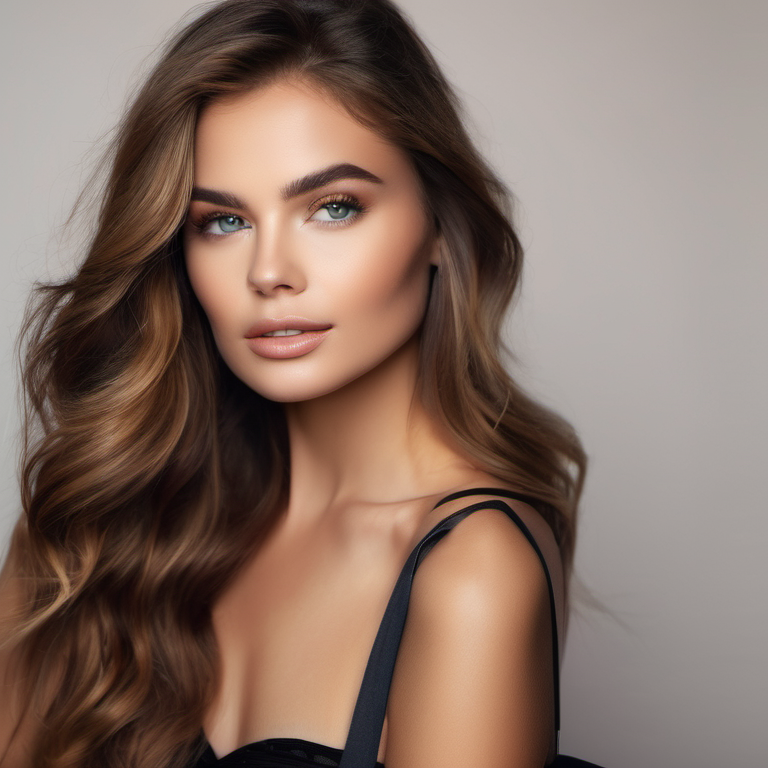
You want colored contacts that change your eye color — without making it obvious you’re wearing anything at all.
It’s the most common request we hear: something that looks like you were simply born with different eyes. No giveaway ring, no unnatural shimmer, no “are those colored?” questions.
The secret isn’t a single perfect color. It’s choosing a shade that works with your natural eye color, skin tone, and hair color — then picking a lens with a soft limbal ring and a realistic iris pattern.
Here’s how to find the most natural-looking colored contact color for you.
What Makes a Colored Contact Look Natural
Before we get to specific colors, three design details separate “obviously colored” from “is that real?”:
- Soft limbal ring — the darker outline around the iris. A hard, dark ring reads as fake. A soft, blended ring looks like a natural iris boundary.
- Layered iris pattern — real irises have fine, irregular fibers and color variation. Flat, single-tone lenses look painted on.
- Realistic opacity — the tint should let a hint of your natural iris show through, especially near the pupil, rather than sitting on top like a solid disc.
When all three are right, the lens disappears into your eye. That’s the goal.
The Most Natural-Looking Colors
| Color | Why It Works | Best With |
|---|---|---|
| Hazel | Warm blend of brown and green tones mimics the most common “natural” eye color in real life | Brown eyes, warm or olive skin, brown or auburn hair |
| Soft grey | A subtle brightening that reads as a natural light eye rather than an artificial tint | Cool skin tones, dark hair, fair complexions |
| Natural brown | Deepens your own color for a “you but enhanced” effect — the least detectable option | Any eye color; ideal if you want zero questions |
| Green | A softer alternative to blue that stays within a believable natural range | Warm skin tones, brown or red hair |
Hazel and soft grey are our two most natural shades. Hazel blends into warm complexions seamlessly, while soft grey brightens without shouting. Both use the layered iris pattern and soft ring that make a lens disappear.
Hazel: The Warm, Believable Choice
Hazel is the safest “noticeable but natural” color there is. Because hazel eyes exist naturally in a huge range of tones — green-brown, gold-brown, amber — a well-made hazel lens simply looks like one of them.
It flatters brown eyes most, because the warm undertones blend rather than fight. If you have dark brown eyes and want a change that coworkers will sense but not identify, hazel is your color.
Soft Grey: The Quiet Brightening
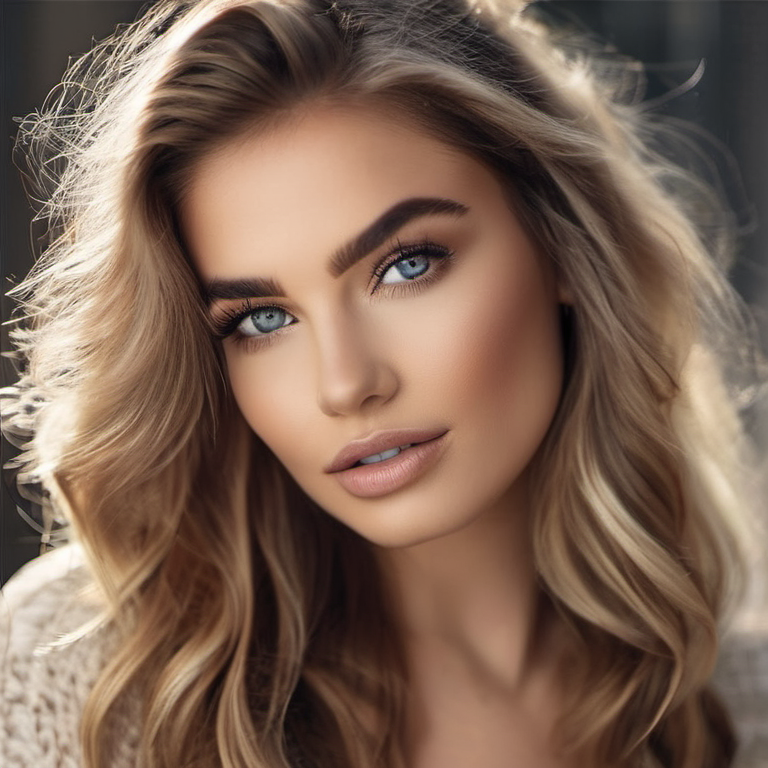
Grey reads differently than blue — it’s cooler and more understated, which is why it’s easier to pass off as natural. A soft grey lens lightens the eye without the saturated pop that makes blue lenses obvious.
It works especially well on cool skin tones and with dark hair, where the contrast is striking but still believable. If your complexion leans warm, a grey-blue blend keeps it harmonious.
How to Match Color to Your Skin Tone
- Warm undertones (peach, golden, olive) → hazel, natural brown, warm green
- Cool undertones (pink, blue, fair) → soft grey, grey-blue, cool green
- Neutral undertones → you can wear almost anything; hazel and grey both work
Still unsure? The rule of thumb: match warm to warm, cool to cool. A mismatch is the single biggest reason colored contacts look like colored contacts.
One More Tip: Stay Close to Your Natural Color
The further a shade sits from your natural eye color, the more it announces itself. For the most natural result, move one step — dark brown to hazel, brown to soft grey, grey to blue. Big jumps (near-black brown to ice blue) are a dramatic look, not a natural one.
Frequently Asked Questions
What is the most natural colored contact color?
For most people it’s hazel or natural brown, because those colors exist naturally across the widest range of complexions and eye colors. Soft grey is a close second for cooler skin tones.
Can colored contacts look completely natural?
Yes — when the color is close to your natural shade, the iris pattern is layered, and the limbal ring is soft. A well-matched lens is nearly impossible to detect at conversation distance.
Should I match the color to my eyes or my skin?
Both, but they solve different problems. Your natural eye color determines how much the new color shows through; your skin tone determines whether the shade looks harmonious or jarring.
Are grey colored contacts natural-looking?
Soft grey is one of the more natural options because it’s cooler and less saturated than blue. With a layered pattern and soft ring, it reads as a naturally light eye.
How do I know my skin undertone?
Check the veins on your wrist: blue or purple veins suggest cool undertones, green veins suggest warm, and a mix suggests neutral. That’s a quick starting point before you order.
Do I need a prescription for colored contacts?
Yes. Even if you don’t need vision correction, colored contacts are medical devices and require a valid prescription and fitting from an eye care provider.
Find Your Most Natural Look
The most natural colored contacts aren’t the ones that look best on a model — they’re the ones that look like they could be yours. Start with hazel or soft grey, match it to your skin tone, and let the layered pattern do the rest.
Browse our colored contact collection to see hazel, grey, and the full range of natural shades, each designed with a soft ring and realistic iris detail.